Newsletter Subscribe
Enter your email address below and subscribe to our newsletter

 BySonu
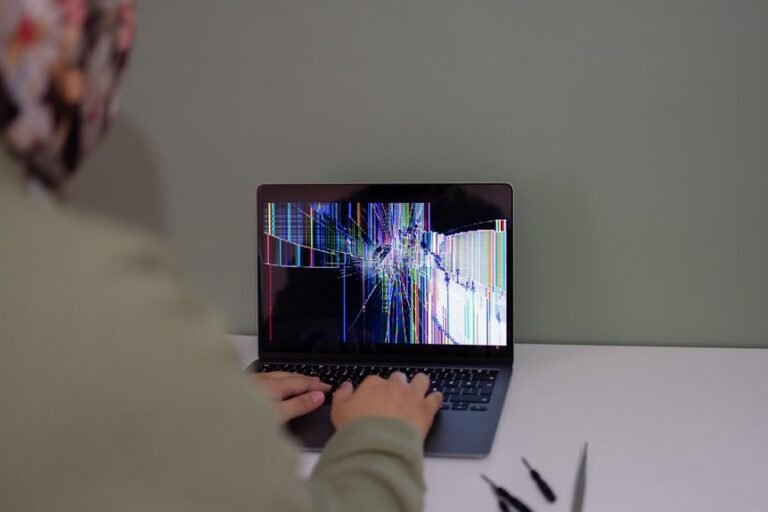
Smart troubleshooting for 9169459050 when routine errors appear begins with disciplined checks. The approach favors quick sanity verifications, measurable impact, and clear logs to confirm user effects. It then proceeds through environment and input validation, followed by reproducible failure attempts. By isolating probable causes, comparing against baselines, and logging auditable fixes, a stable path emerges. The pattern keeps stakeholders informed while documenting progress, yet a harder question remains: what next step will unlock lasting uptime?
When routine errors appear, the most likely root causes can be identified by a systematic review of recent changes, common failure points, and the specific error messages presented. The assessment concentrates on patterns, not speculation.
Quick sanity checks in five minutes rely on a disciplined, repeatable sequence that quickly verifies essential system health. The approach identifies symptoms, prioritizes causes, and plans actions, guiding a concise assessment. It gathers logs, confirms user impact, and sets expectations. This detached review remains practical, focusing on measurable indicators, minimal disruption, and a clear path to next steps for informed decisions.
The following protocol provides a structured, step-by-step approach to diagnosing and resolving common errors related to 9169459050. The procedure emphasizes reproducible checks, baseline comparisons, and targeted fixes. It addresses subtopic misalignment and emphasizes error logging for traceability. Each step is discrete: verify inputs, confirm environment, reproduce the issue, isolate causes, apply fixes, and review results for consistency.
Escalation and external assistance should occur when persistent issues exceed the scope of routine checks or when defined thresholds are reached. The process recommends identifying escalation timing and documenting symptoms, impact, and attempted remedies. Seek expert guidance promptly to preserve uptime. Maintain clear records, choose appropriate channels, and ensure stakeholders are informed. This approach promotes proactive resolution while preserving autonomy and momentum.
The 9169459050 error code signifies a generic fault placeholder, not a specific failure. In analysis, it points to potential faulty hardware or software updates, suggesting systematic verification: test components, roll back updates, and confirm firmware compatibility.
Satirically, the answer notes: yes, faulty hardware can cause recurring issues. The report remains methodical: defective components may trigger routine errors, and troubleshooting should isolate hardware from software to determine fault sources, preserving user autonomy.
Software updates can influence recurrence, but the effect depends on update cadence and scope; generally, issues arise from software-caused conflicts rather than hardware, highlighting a need to compare hardware vs software contributions before adjustments.
Reset frequency varies by device; no universal cadence. The guide recommends conservative resets, aligning with hardware considerations to avoid wear. In pursuing freedom, one should monitor performance, perform periodic soft resets, and reserve full resets for persistent issues.
Key logs for swift debugging include system, application, and error logs; they provide concise, time-stamped events. The methodical reviewer prioritizes relevance, correlating timestamps with incidents to streamline debugging, enabling faster isolation and informed decision-making about fixes.
A terse conclusion, grounded in method and suspense, emerges: the routine errors at 9169459050 resist quick fix until every step is logged and reproducible. With each disciplined check—logs, inputs, environment, and baselines—the path narrows, yet a final anomaly lingers just beyond reach. The next action, precisely documented, will tip the scale from guesswork to confidence. Stakeholders await, as the last verification awaits its cue, and the clock ticks toward a resolute, auditable resolution.