Newsletter Subscribe
Enter your email address below and subscribe to our newsletter

 BySonu
When problems start affecting everyday use, smart methods diagnose root causes by tracing symptoms to actionable impact and prioritizing critical tasks. Quick-win fixes restore flow with minimal disruption, while nonessential notifications are disabled to sustain momentum. Smart maintenance prevents recurrences through logging and early signals, and standardized procedures. If issues persist, a disciplined recovery—rapid containment, structured rollback, and transparent communication—rebuilds reliability and user autonomy, leaving a clear path forward for those seeking durable performance.
Problems that slow users down typically stem from inefficiencies in workflow, unclear interfaces, or recurring technical glitches. The analysis focuses on problem diagnosis to identify root causes and quantifiable pain points, linking symptoms to actionable steps. Understanding user impact clarifies priority, guiding improvements that restore momentum, reduce hesitation, and support autonomy. This framing supports proactive design without overpromising remediation or extraordinary fixes.
From the analysis of symptoms and root causes identified earlier, practical, high-impact adjustments can quickly restore momentum.
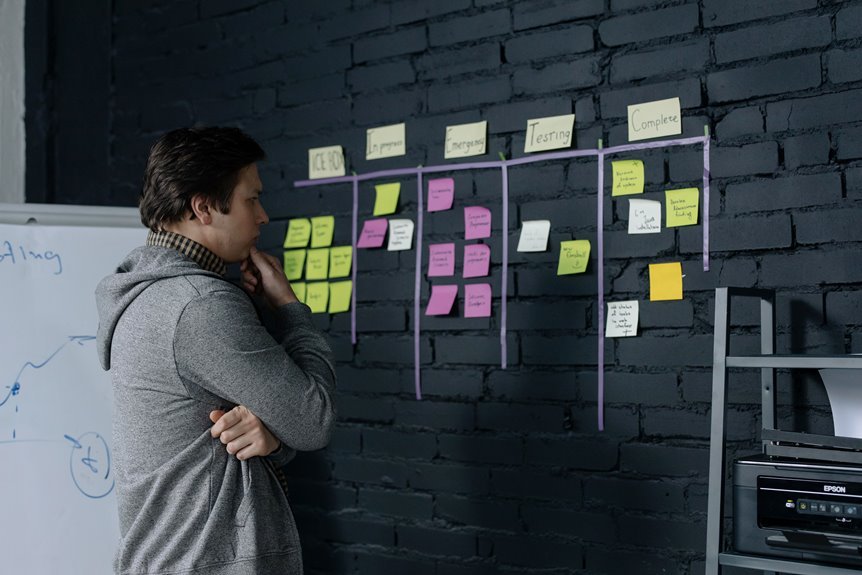
Quick-win fixes target focus issues and restore flow with minimal disruption: disable nonessential notifications, streamline workflows, and prioritize critical tasks.
Implement lightweight uptime strategies, monitor throughput, and confirm rapid recovery metrics.
These actions deliver immediate usability gains while preserving autonomy and ongoing freedom in operations.
Smart maintenance aims to prevent recurring glitches by instituting proactive monitoring, regular servicing, and data-driven optimization.
It establishes clear restoration priorities, allocates resources efficiently, and records preventive actions for traceability.
The approach emphasizes early detection, standardized procedures, and continuous improvement, reducing downtime.
This discipline supports glitch prevention, enhances system reliability, and preserves user autonomy through dependable, predictable performance.
In the face of disruption, organizations should establish a disciplined recovery framework that minimizes impact and restores normal operations rapidly. The approach emphasizes clear decision points, rapid containment, and structured rollback. Emphasis on peripheral ergonomics reduces user fatigue during recovery, while a deliberate update cadence sustains transparency. Documentation, post-incident reviews, and proactive rehearsal ensure resilient, autonomous restoration without dependency on chaos.
The lasting impact can be measured by tracking conflicting metrics and identifying redundant redundancies, then comparing pre- and post-implementation baselines over time, using clear thresholds, independent verification, and ongoing trend analysis for sustained, freedom-seeking evaluation.
Cost effective tools for ongoing performance monitoring include lightweight APM options and open-source dashboards; these enable continuous visibility with minimal overhead, offering metric tracking, alerts, and dashboards while preserving user freedom and operational cost control.
One in four machines shows hardware issues signs beyond software tweaks within two years. Signs include unusual noises, frequent crashes, overheating, and degraded performance. hardware diagnostics reveal failures; software vasitis (note: likely misspelling) should be paired with cautious, structured evaluation.
Prioritizing fixes under constrained time hinges on risk and impact. The approach emphasizes critical failures first, allocating time efficiently; time management becomes a framework for sequencing tasks, ensuring essential functionality remains active while lower-priority issues await resolution.
Privacy considerations arise with these maintenance steps, notably data collection implications and user consent. The approach emphasizes minimal data sharing, clear disclosures, and robust access controls to preserve autonomy, even as systems undergo frequent updates and troubleshooting.
In addressing problems, this approach emphasizes rapid symptom-to-impact tracing, swift fixes, and disciplined prevention. By prioritizing critical tasks, disabling nonessential distractions, and logging preventive actions, teams sustain momentum while reducing recurrence risks. A hypothetical case: a project dashboard lagged as users piled in; a quick-win fix trimmed data-refresh intervals and streamlined alerts, restoring usability within hours. Long-term, automated monitoring and standardized procedures prevent recurrences, enabling graceful recovery with clear communication and user autonomy throughout.